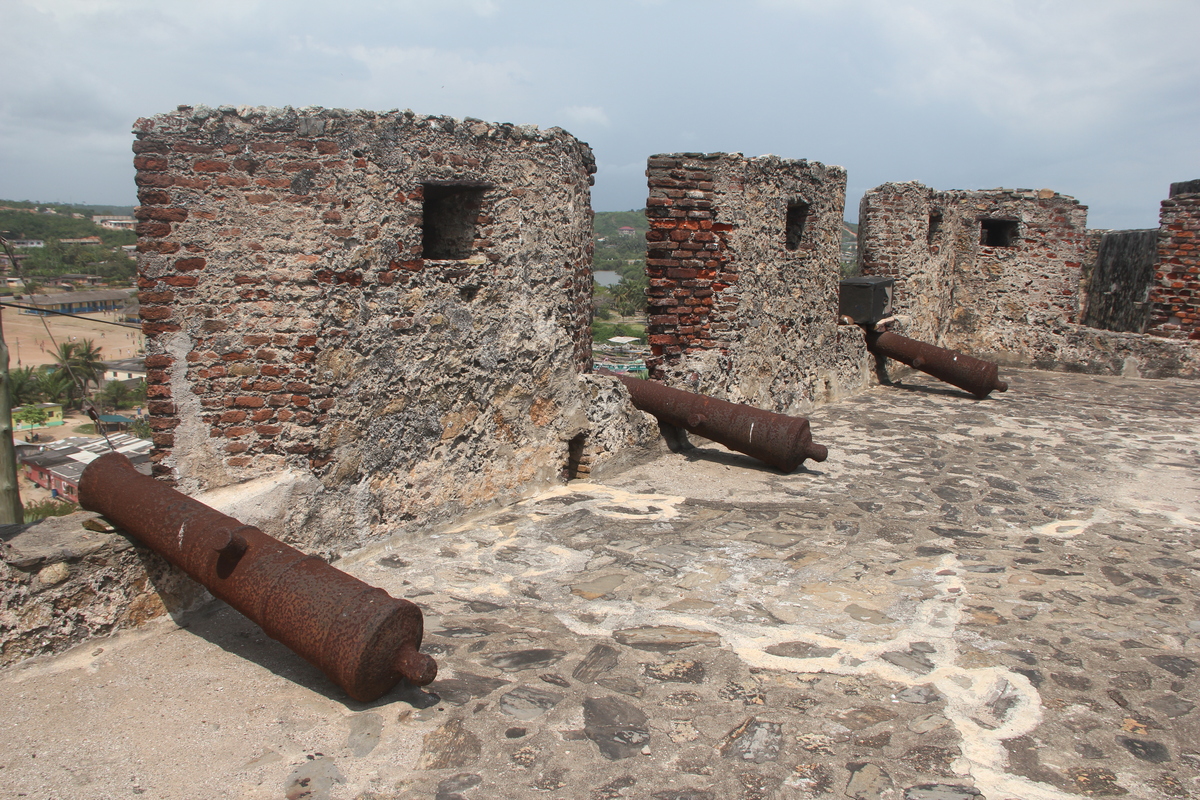
Remo Kurka (June 2026) - Perched high above the Atlantic coastline of present-day Ghana, Fort Amsterdam stands as an impressive example of 17th-century European military architecture. Visitors quickly notice that every wall, courtyard, and structure within the fortress was designed with a specific purpose. Nothing was built by chance.
Fort Amsterdam was not constructed solely as a trading post. It also served as a warehouse, administrative center, military stronghold, and later became part of the transatlantic trading network. Its architecture still reflects these multiple functions today.
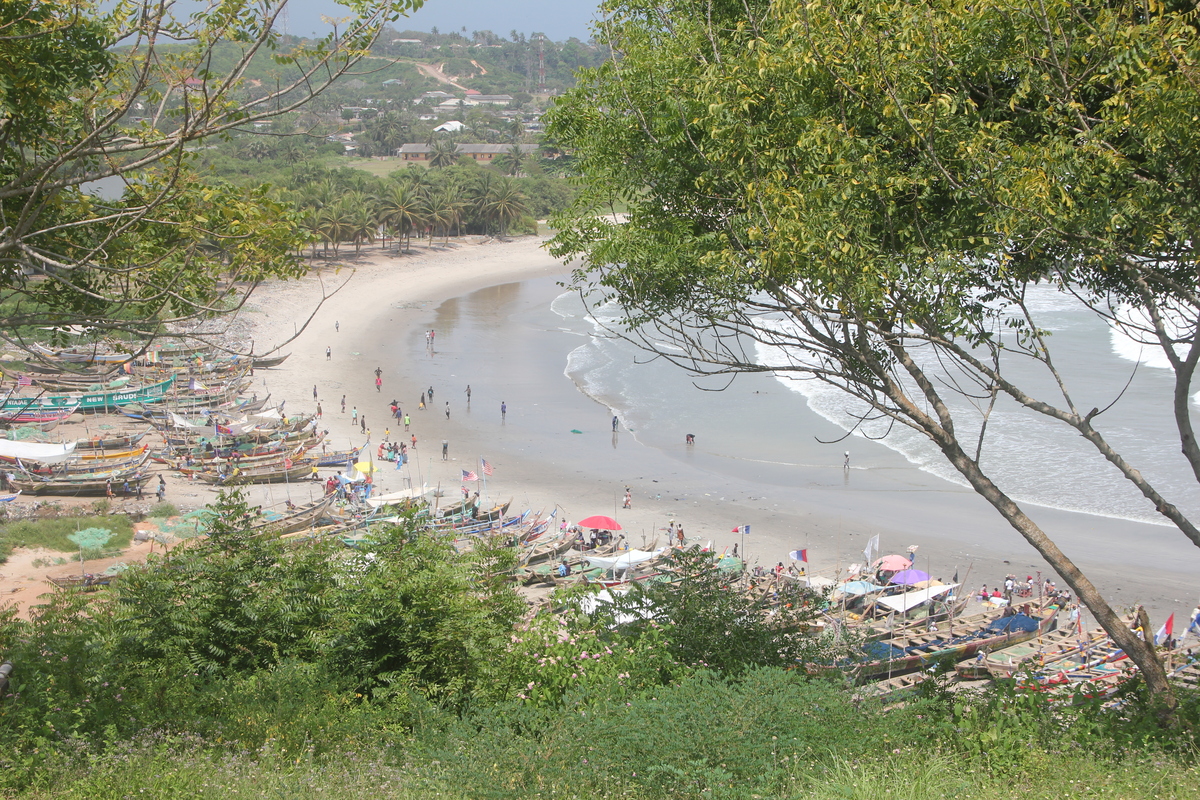
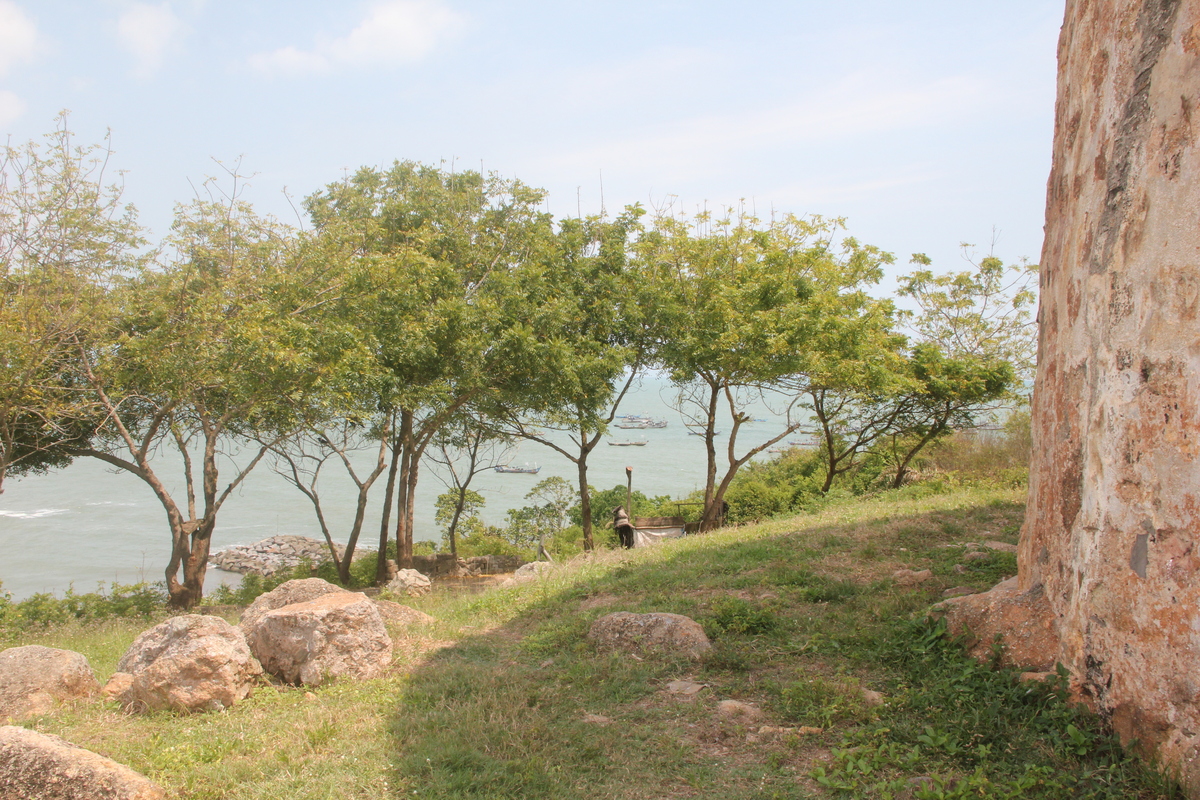
One of the main reasons for building Fort Amsterdam at this location was its exceptional strategic position. The fortress was constructed on a small hill directly overlooking the Atlantic Ocean, providing an almost unobstructed view of the coastline.
From its bastions, approaching ships could be spotted from a considerable distance. The elevated position also allowed defenders to monitor the coastline and control access to the nearby bay, offering a significant military advantage in times of conflict.
Even today, the panoramic views from the fortress walls are among the highlights of any visit.
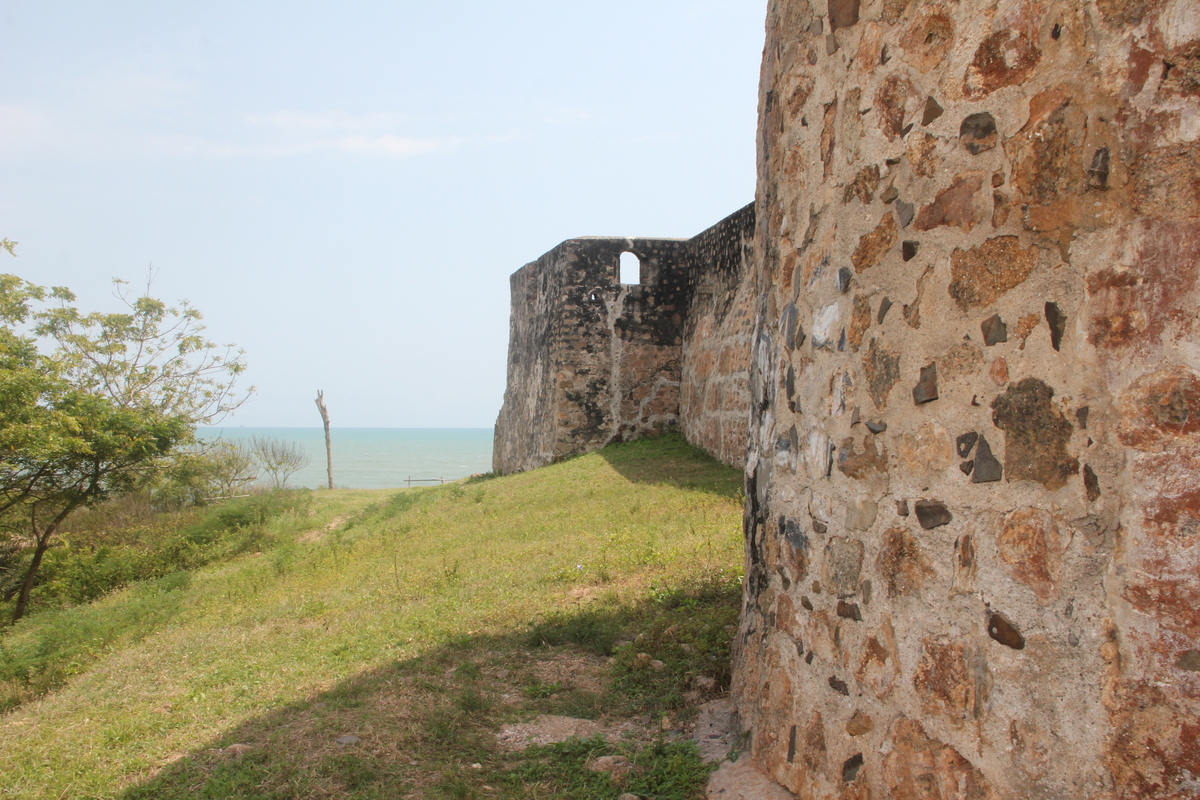
The thick outer walls are among Fort Amsterdam's most striking architectural features. Constructed from locally sourced stone and lime mortar, they were designed to withstand prolonged artillery attacks.
Their purpose extended beyond protecting the fortress from enemy ships. The walls also defended against attacks from inland and safeguarded the valuable goods stored inside the fort.
Today, these massive walls still provide a vivid impression of how robust European coastal fortifications of the period were built.
One of the defining features of the Dutch expansions was the construction of bastions at the corners of the fortress. These elevated defensive platforms allowed cannons to cover multiple angles of approach.
This design minimized so-called "dead zones," enabling defenders to fire upon attackers approaching from both land and sea.
The cannon positions continue to illustrate the vital role military protection played in securing trade along the Gold Coast.
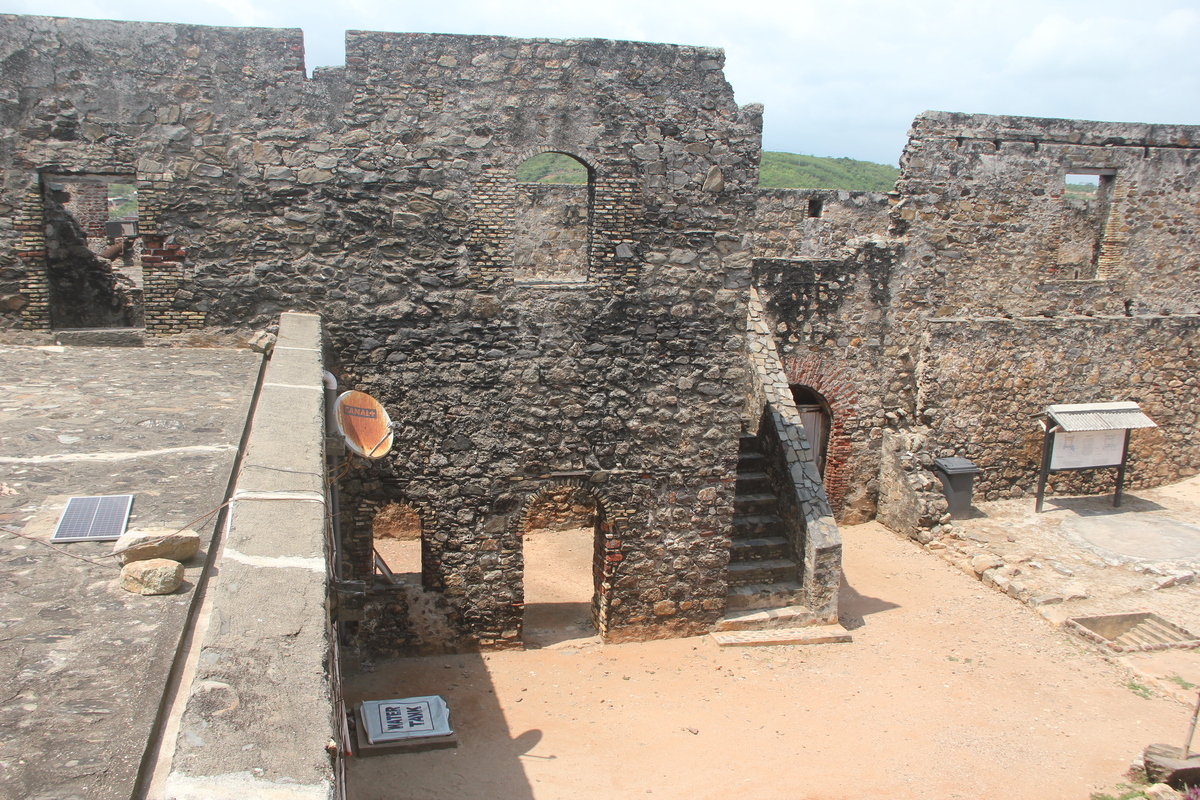
At the center of Fort Amsterdam lies its main courtyard, where much of daily life unfolded for centuries.
Soldiers marched across the square, merchants transported goods, administrators carried out official business, and craftsmen maintained the fortress.
The courtyard connected all of the fort's principal buildings and served as its organizational and operational hub.
Trade was the foundation of Fort Amsterdam's existence. As a result, spacious warehouses formed some of the most important buildings within the complex.
Gold, ivory, and other valuable commodities were stored here before being loaded onto European ships. Like many other coastal forts, Fort Amsterdam later became involved in the transatlantic slave trade.
Nearby administrative offices housed officials of the Dutch West India Company, who recorded commercial transactions, collected duties, and managed the daily operations of the fortress.
Among the most powerful parts of Fort Amsterdam are its underground vaulted chambers. Originally, these spaces served various purposes, including storage and prison facilities.
Over time, sections of these vaults were also used to confine enslaved people before they were transported across the Atlantic. Although modern guided tours often refer to separate men's and women's dungeons, the original function of every individual room is not historically documented with complete certainty. What is undisputed, however, is that these chambers represent some of the most moving places within the fortress and stand as a reminder of one of history's darkest chapters.
No fortress could survive a prolonged siege without a reliable water supply.
For this reason, Fort Amsterdam was equipped with cisterns designed to collect and store rainwater. These reservoirs provided water for soldiers, merchants, and residents over extended periods.
The carefully planned water system demonstrates the remarkable level of engineering and foresight applied during the fortress's construction in the 17th century.
Although the fortress's layout and defensive concepts originated in Europe, Fort Amsterdam was not built exclusively with European materials.
Most of the stone used in its construction came from the surrounding region. Local labor also played an essential role in both the original construction and later expansions, creating a fortress that combined European military engineering with the realities and resources of West Africa.
This blend of architectural traditions makes Fort Amsterdam a remarkable example of colonial-era construction.
Walking through Fort Amsterdam quickly reveals that architecture can be much more than functional design.
Every bastion tells the story of the rivalry between European colonial powers. The warehouses reflect the flourishing trade of the Gold Coast. The underground vaults bear witness to the suffering caused by the transatlantic slave trade. And the sweeping views across the Atlantic clearly demonstrate why this location held such strategic importance for European powers.
The architecture of Fort Amsterdam offers a remarkable insight into the history of Ghana's Gold Coast. Massive walls, defensive bastions, courtyards, warehouses, and vaulted chambers reveal how closely trade, military defense, and colonial expansion were connected.
Today, the fortress ranks among Ghana's most fascinating historic landmarks. Visitors who take the time to appreciate its architecture discover far more than centuries-old stone walls—they encounter a monument that has witnessed some of the most significant events in West African and colonial history and continues to tell those stories today.
Fort Amsterdam stands as a monument to Ghana's complex history, linking Europe, Africa, and the Caribbean.
Explore the fort's role in the transatlantic slavery narrative and its impact on Caribbean culture.
Join us in discovering the stories that shaped our communities through guided tours and interactive exhibits.
Experience in-depth guided tours that reveal the fort's rich history and cultural significance.
Visit our rotating exhibitions that showcase Ghana’s historical artifacts and narratives.
Engage with educational programs tailored for students and researchers focusing on Ghana's heritage.
Participate in cultural events that celebrate the diverse histories connected to Fort Amsterdam.
Discover research opportunities for scholars interested in African history and the transatlantic trade.
Enjoy local food at nearby local spots, enhancing your visit.